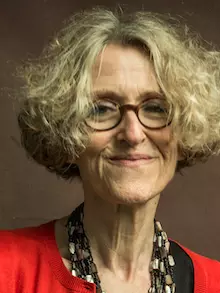
About my current job
The research in my group is focused on development and evaluating interventions to change behaviour (principally diet, tobacco and alcohol consumption) to improve population health and reduce health inequalities, with a particular focus on targeting non-conscious processes. We also study the acceptability to publics and policy makers of government intervention to change behaviour. I also co-chair The Lancet-Chatham House Commission on improving population health post COVID-19. Currently I participate in the UK government's Scientific Advisory Group for Emergencies (SAGE), responding to the COVID-19 pandemic, and two SAGE subgroups: the Scientific Pandemic Influenza group on Behaviours (SPI-B) and the Environment and Modelling Group (EMG).
How did my education influence my career path?
Having graduated with an MSc in Abnormal Psychology - recognised by the BPS as a clinical psychology qualification - I worked clinically for a couple of years before registering for a PhD and a life in academia. Being taught during my time at EP by some of the best psychologists - including Donald Broadbent, Pat Rabbitt, Jeffrey Gray, Jerome Bruner, Michael Argyle, Peter Bryant - provided an enviable academic grounding that I continue to draw upon almost four decades later.
Do you have a lesson or advice that you'd give to current students/researchers at EP?
Do not underestimate the importance of good writing for successful grant applications. Learn to write by reading. This might include Jane Austen, George Eliot, Henry James, Virginia Woolf or, for the more task-focused, Good Prose: The Art of Nonfiction. And learn to write grant applications and scientific papers by seeking out those with proven track records to act as a critical friend.